大多数关于 agent harness 的讨论,一开始就站错了地方。
它们从更多 agent 开始。或者更多工具。或者更大的 context window。或者另一个 orchestration framework,承诺让 agent 像一个迷你工程团队一样协作。
这不是核心问题。
核心问题是:软件开发本来就有 workflow,但这个 workflow 散落在人类判断、本地约定、零散文档、半记得的 postmortem、以及项目特定命令里。一个 prompt 保不住这个结构。一个裸 agent loop 也不知道什么时候该加载哪种 context,哪个工具有权威性,什么才算验证完成,或者一次 run 结束后什么东西应该沉淀成可复用模式。
Agent harness 应该解决的是这个。
Agent harness 把开发流程变成 agent 可执行的模式。
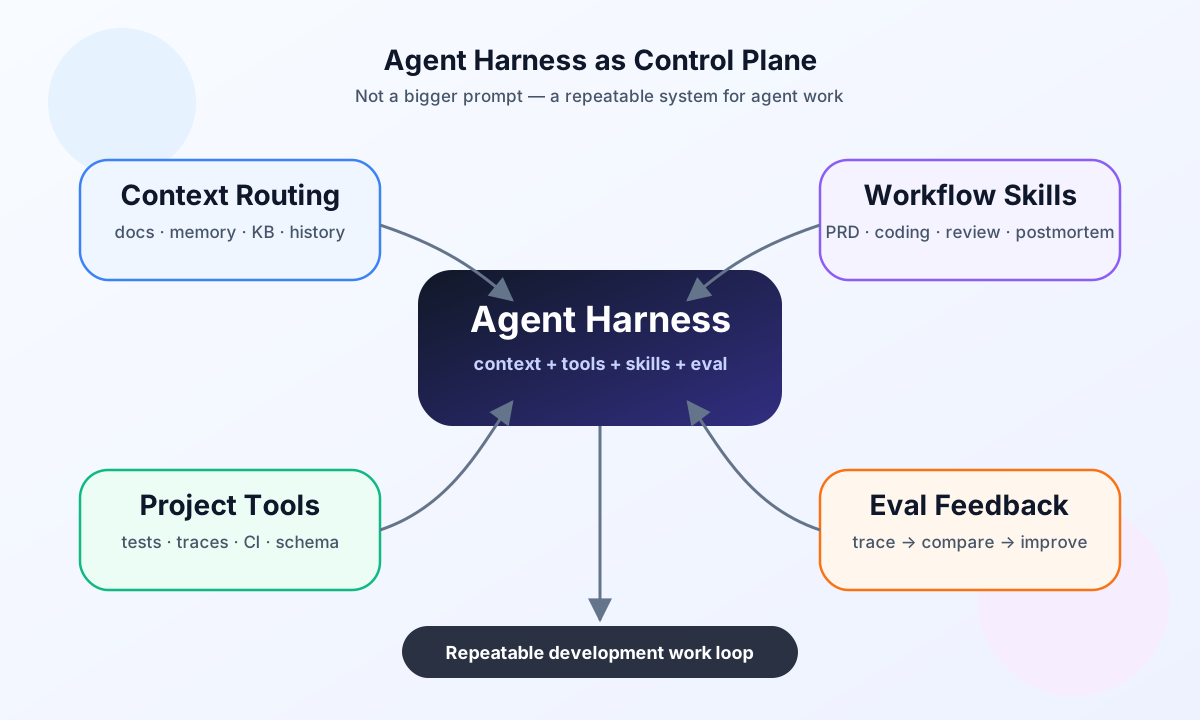
它不是更大的 prompt。它是一个 control plane,把 context routing、workflow skills、project-specific tools 和 evaluation feedback 组合成一个可重复的 work loop。
Multi-agent 是一种 context 策略
Multi-agent 系统一般会被描述成角色拆分:
- product manager agent;
- engineer agent;
- reviewer agent;
- testing agent。
这个 framing 有用,但很浅。它很容易变成组织架构 cosplay。
Multi-agent 真正有用的原因,是 context distribution。
真实项目里的 context 太多了:产品意图、代码结构、历史决策、测试失败、issue 历史、设计约束、部署规则、本地约定。不同开发阶段并不需要同一份 context。
PRD agent 需要产品约束和用户意图。Coding agent 需要收敛后的 spec、相关代码和 repo conventions。Validation agent 需要 acceptance criteria、trace、测试和已知 regression。Reviewer 需要 diff、risk model 和历史失败模式。
所以有意思的对象不是 agent role。有意思的对象是 context projection。
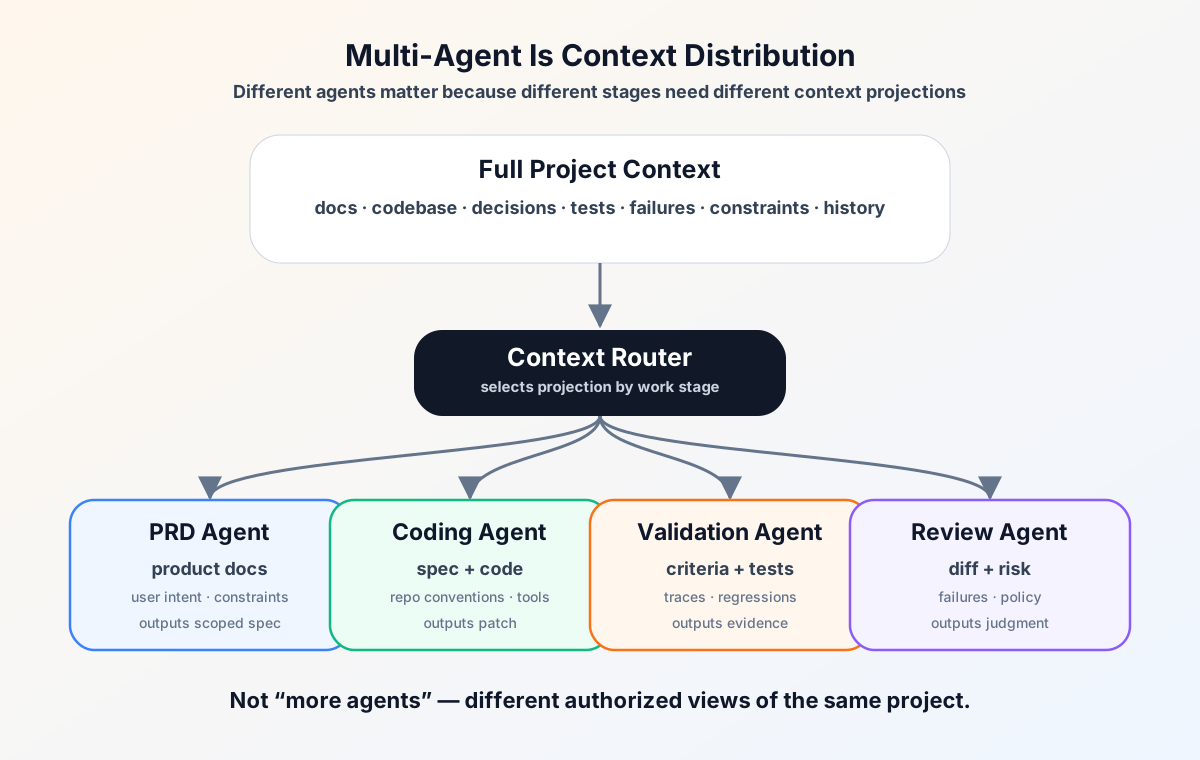
Multi-agent 很多时候不是关于并行劳动力,而是把正确的 context 路由到正确的阶段。
你可以用文档做 handoff,但“文档”这个词太宽了。Spec、code map、test trace、postmortem、memory entry、skill 都是文档,但它们的 authority、lifecycle 和使用位置完全不同。
Harness 应该知道这些区别。
一个有用的 context layer 需要分类,而不只是存储:
| Context type | 保留什么 | 什么时候加载 |
|---|---|---|
| Product context | 用户意图、约束、non-goals、acceptance criteria | PRD、planning、scope decision |
| Code context | 相关文件、架构、API、依赖形状 | implementation 和 refactor |
| Runtime context | terminal state、logs、traces、running processes、test output | debugging 和 continuation |
| Decision context | 为什么这么选、被拒绝的备选项、authority | design review 和 conflict resolution |
| Knowledge context | 可复用的 domain/project facts | 当它会改变解释方式时 |
| Memory context | durable priors、偏好、反复出现的事实 | 行为需要被 bias 之前 |
| Postmortem context | 失败、修复、防止复发的规则 | 重复类似工作之前 |
| Skill context | 某个阶段的可执行 procedure | 进入对应 workflow stage 时 |
Harness 不应该问:“我能往 prompt 里塞什么?”
它应该问:“这个阶段需要哪种 context type?这个 projection 带着什么 authority?”
Skill 是 context-bound procedure
Skill 不只是 prompt snippet。
一个有用的 skill 会说明:
- 什么时候使用它;
- 加载什么 context;
- 遵循什么 procedure;
- 调用哪些工具;
- 什么算 done;
- 避免哪些失败。
这让 skill 成为一种 context-bound procedure。
对 harness 设计来说,skill 也需要分类。否则“skill”会变成另一个 junk drawer:
| Skill type | 任务 |
|---|---|
| Planning skill | 把 intent 变成 scope、constraints、non-goals、acceptance criteria |
| Implementation skill | 指导 patch 形状、repo conventions、coding loop、tests-first discipline |
| Validation skill | 判断什么证据足够:tests、build、traces、screenshots、benchmark |
| Review skill | 根据 intent、risk、regressions、security、maintainability 检查 diff |
| Tool-use skill | 教 agent 安全使用项目特定命令和 API |
| Recovery skill | 处理 stuck loop、重复失败、reroute/escalate/stop conditions |
| Postmortem skill | 把失败蒸馏成可复用 procedure、policy 或 tool improvement |
| Publishing skill | 把输出包装到外部表面:blog、PR、email、docs、release notes |
分类重要,是因为每种 skill 都需要不同的 context projection,也有不同的“done”定义。
这就是为什么 skill 像开发流程里的“润滑”。它保存了那些本来只存在于 senior engineer 脑子里的操作性知识:怎么写 PRD,怎么收窄 patch,怎么验证一个改动,怎么 review diff,怎么把失败变成 postmortem 而不污染长期记忆。
传统开发流程依然很熟悉:
PRD → design → implementation → validation → review → postmortemHarness 版本并不是魔法。它只是把同一个 workflow 变成可执行结构:
typed context → stage skill → project tool → agent loop → eval trace → pattern update重点不是假装旧流程消失了。重点是把可复用的部分包装起来,让 agent 不用每次都从零重新发现开发流程。
通用工具给手,项目工具给本体感
早期 agent tool access 很通用:
- web search;
- browser;
- terminal;
- file read/write。
这些是必要的。它们给 agent 手。
但严肃开发需要 project-specific tools:
- 为这个 diff 跑相关测试;
- 用项目 schema 获取 issue context;
- 打开某个 failure 的 trace;
- 验证某条 route 或某个 schema;
- 比较 benchmark run;
- 检查 feature flags;
- 预览本地 app;
- 找一个文件的 owner 或 dependency path。
通用工具让 agent 能行动。项目特定工具让它知道自己在什么地方行动。
Generic tools give the agent hands. Project-specific tools give it proprioception.
这是 chat agent 和 harness 之间最大的区别之一。Chat agent 可以 grep、猜、跑命令。Harness 把项目暴露成一个 agent 可操作的环境。
这也改变了 tool access 的含义。“更多工具”不自动等于更好。真正有用的问题是:这个工具有没有把项目知识压缩成一个更安全、更直接的 action surface?
Repo-specific test runner 比让 agent 猜该跑什么命令更好。Typed trace viewer 比让它 scrape logs 更好。Schema validator 比希望它之后注意到 runtime error 更好。
Harness 应该把项目结构变成工具。
Eval 是 hill-climbing surface
如果 harness 不能评估自己的 run,它就不能改进。它只能累积 prompt tweaks。
但 harness evaluation 不只是 benchmark 数字。开发 workflow 里有 hard signals,也有 soft signals。
Hard signals 可以测量:
- tests pass;
- build passes;
- lint passes;
- benchmark improves;
- issue is resolved;
- regression is covered;
- human intervention count drops。
Soft signals 也是真实的:
- context handoff 有没有保住 intent?
- agent 有没有停在正确边界?
- validation 有没有抓住真正风险?
- workflow 有没有减少混乱?
- postmortem 有没有产出可复用 pattern?
- 下一次 run 有没有变容易?
所以 harness eval 是 imperfect metrics 下的 trace-based comparison。
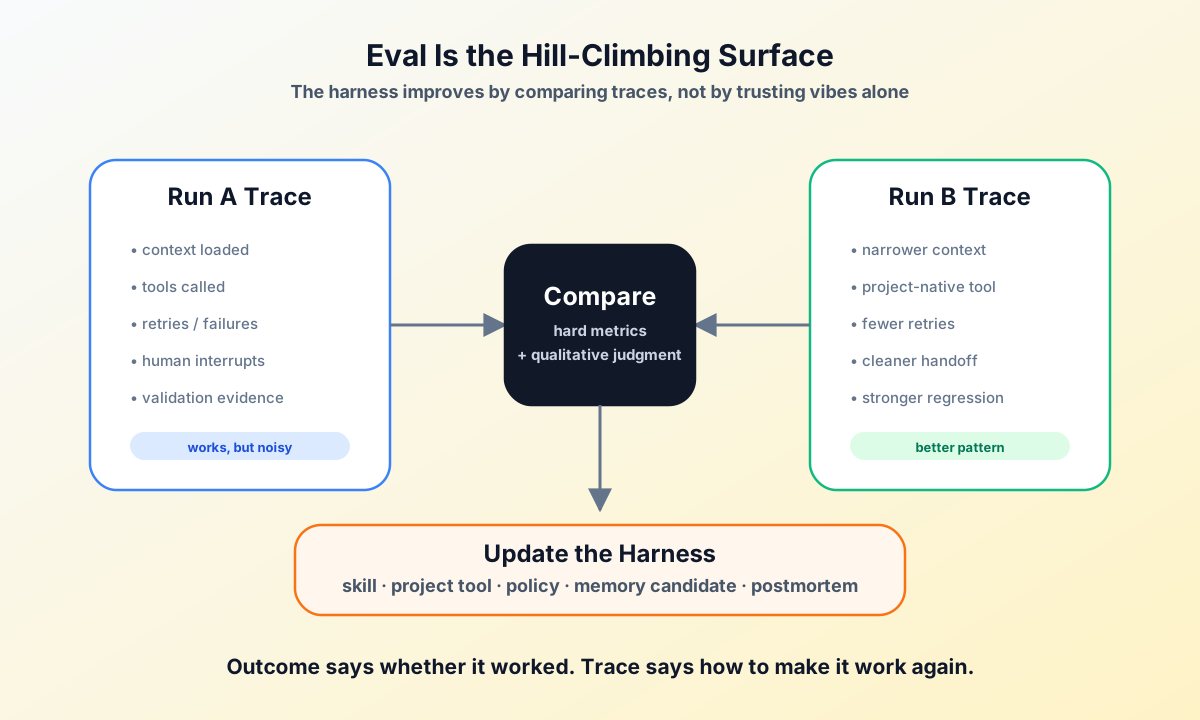
最终 outcome 只能说明某一次 run 有没有成功。Trace 才说明怎样让它下次也成功。
一个有用的 trace 会记录:
- 加载了哪些 context;
- 调用了哪些工具;
- agent 在哪里失败或 retry;
- 什么证据验证了结果;
- 什么时候打断了人类;
- 哪一部分应该变成 skill、tool、policy、memory candidate 或 postmortem。
Hill climbing 是这样发生的:不是相信 agent 的 self-report,也不是优化一个 synthetic score,而是比较 traces,并蒸馏出更好的 patterns。
完整 loop
把这些放在一起,harness loop 长这样:
- 把 work 拆成可识别的开发阶段;
- 给当前阶段附上 typed context;
- 选择相关 skill;
- 暴露 project-specific tools;
- 运行 agent loop;
- 用 evidence 验证;
- 比较 traces;
- 更新 skill、tool、policy、memory candidate 或 postmortem。
每一部分解决一种不同的失败模式:
Multi-agent solves context distribution.
Skills solve procedure reuse.
Tools solve environment coupling.
Eval solves hill climbing.
Memory solves durable priors.
Postmortem solves pattern extraction.

Harness composes them into a repeatable development loop.
这是有用的 framing。
Agent harness 的主要目标不是让 agent 更像人类团队。它是让开发流程本身足够 legible,让 agent 能执行、验证、恢复和改进。
Agent development 的未来,不会由拥有最复杂 agent 组织架构图的系统赢下。
会赢的是这样的系统:精确路由 context,把项目暴露成有用工具,用 trace 验证工作,并把成功 run 沉淀成可复用 pattern。